



By Olukayode Olumuyiwa.
The dust has yet to truly settle on the pitch in Morocco, where the Democratic Republic of Congo (DRC) dashed Nigeria’s immediate hopes for the 2026 World Cup. But the real battle has only just begun, moving from the green grass to the marble halls of FIFA’s disciplinary chambers in Zurich.
At the heart of the conflict is a petition filed by the Nigeria Football Federation (NFF). The accusation is grave: that the DRC fielded players holding dual nationality—specifically European passports—in direct violation of Article 10 of the DRC Constitution, which forbids holding another citizenship alongside Congolese status. The NFF argues that by hiding this fact to gain FIFA clearance, the DRC committed fraud.
As the African football community awaits a verdict that could reshape the World Cup qualification landscape, two distinct, authoritative voices have emerged, outlining the ideological battleground of this high-stakes dispute.
On one side sits the strict legalist construction of Mohammed Jubril, a prominent sports lawyer. On the other is the governance-focused perspective of Austin Akpehe, a seasoned football administrator and CEO of China-based Galaxy Sports Worldwide.
Their conflicting views represent the eternal tension in sports law: the rigid letter of the statute versus the ethical spirit of the game.
The Legalist: Jubril and the Supremacy of the Passport

For Mohammed Jubril, the NFF’s petition is a long shot, described almost as “dead on arrival.” His perspective is rooted in the administrative autonomy of FIFA. Jubril argues that FIFA operates within its own regulatory ecosystem, independent of the domestic constitutional crises of its member associations.
“As far as FIFA is concerned, citizenship by birth is universal,” Jubril posits. The cornerstone of his argument is that a valid passport issued by a sovereign state acts as a “license to play.” Once FIFA is presented with that passport, the presumption of eligibility is established.
From Jubril’s vantage point, Nigeria is a “third party” attempting to litigate the internal laws of a sovereign nation before a sports tribunal. He contends that unless there is evidence these players represented another country in a competitive match prior to switching—a breach of FIFA’s specific eligibility rules—the domestic illegality of their dual citizenship is irrelevant to Zurich.
Historically, this view has some traction. In the infamous Byron Castillo case of 2022, Chile argued that the Ecuadorian player was actually Colombian and had used falsified birth documents. While FIFA (and later the Court of Arbitration for Sport) sanctioned the Ecuadorian Federation for using documents containing false information, they ultimately ruled Castillo eligible because he held a valid Ecuadorian passport at the time of the matches. The results stood.
For Jubril, this precedent is a shield for the DRC: FIFA is reluctant to act as a global constitutional court.
The Administrator: Akpehe and the Doctrine of “Clean Hands”
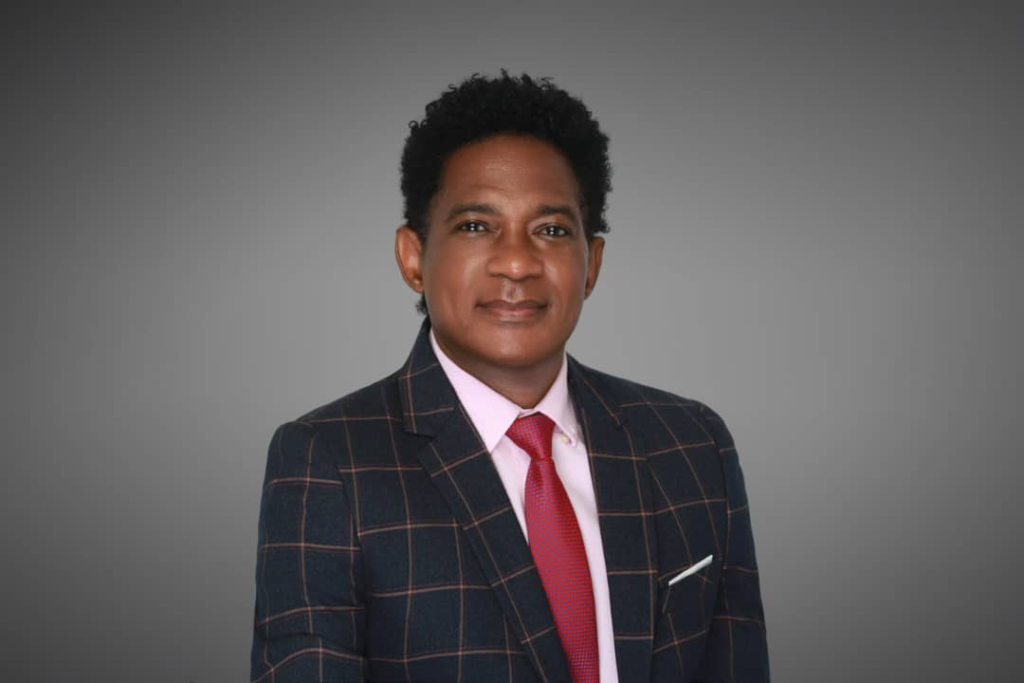
Conversely, Austin Akpehe views the situation through the practical lens of international football administration. As the CEO of Galaxy Sports Worldwide, dealing with talent pipelines between Africa and Asia, Akpehe understands that the integrity of the system relies on honest submissions.
For Akpehe, the argument that FIFA laws supersede national laws in this context is “weak.” He argues that the very foundation of a player’s FIFA application is their national status. If that status was obtained through a lie—by declaring they hold no other nationality when the DRC constitution forbids it—the entire process is poisoned.
“You can’t mislead FIFA by claiming the laws of any land have been consistent when you make any application,” Akpehe argues. He believes FIFA did the right thing initially by clearing the players based on the information presented, but now that their attention has been drawn to the alleged deception, they cannot look away.
Akpehe draws a compelling parallel to the political arena. In many nations, politicians caught hiding dual citizenship in violation of the law are stripped of their office. “The law is the law,” Akpehe asserts. Why should football be held to a lower standard of integrity than politics?
Akpehe’s stance is buoyed by precedents where FIFA punished active deception. In the long-running saga of Emilio Nsue and Equatorial Guinea, and more recently in the 2025 Malaysian “cheating” scandal involving forged ancestral documents for naturalization, FIFA showed zero tolerance for fabricated eligibility. In those cases, matches were forfeited, and federations heavily sanctioned.
The Crux: Administrative Error or Deliberate Fraud?
The chasm between Jubril and Akpehe comes down to one central question: Was FIFA merely presented with valid passports, or were they actively deceived?
Jubril believes the former is sufficient to dismiss the case. Akpehe believes the NFF must possess “serious evidence” of the latter—perhaps signed declarations by players falsely claiming they renounced foreign ties—to have taken the petition this far.
If FIFA adopts Jubril’s interpretation, they protect administrative finality but risk signaling that domestic laws can be flouted to gain a sporting advantage. If they side with Akpehe, they uphold the integrity of the process but open a Pandora’s box of future challenges based on national constitutional interpretations.
Akpehe warns that FIFA must issue a decisive ruling quickly, not just for this World Cup cycle, but to prevent chaos at the upcoming AFCON 2025 in Morocco. If the issue isn’t resolved, every team that loses to the DRC could file a similar protest, turning the tournament into a legal circus.
As the football world waits, the NFF’s petition hangs in the balance. It is a high-stakes gamble resting on a single premise: that in the beautiful game, a victory secured through deception is no victory at all….
But then does Nigeria deserve to be at the World Cup, based on their performance in the qualifiers?
Galaxy Sports Production
Should we send you latest update about your favourite sports and team?
Enter you email in the box below and hit the subscribe button to join our teaming 876+ sports community.


