


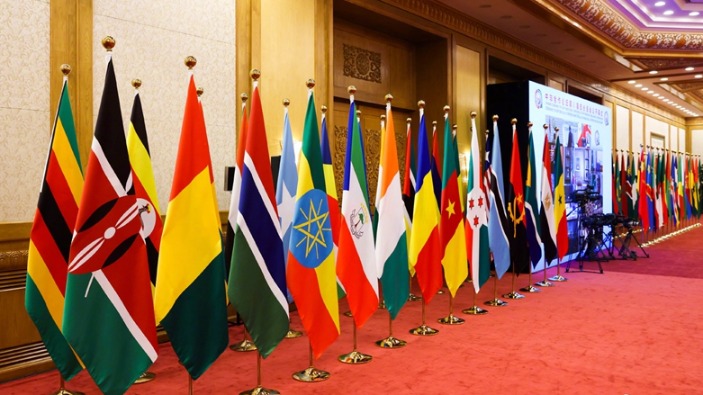
The Forum on China–Africa Cooperation (FOCAC) concluded with renewed promises, louder voices, and firmer handshakes between China and its African partners. What was once a quiet trade and development dialogue has now matured into a bold declaration of shared destiny. The recent gathering, widely broadcast across international outlets like CGTN and Nigeria’s NTA, revealed a partnership no longer defined by aid dependency but by mutual ambition.
From the bustling halls of Beijing to the satellite feeds of Abuja, the message was unmistakable. China and Africa are not just trading goods; they are exchanging visions. In her report for the Nigerian Television Authority, correspondent Patricia Esami Lubba captured the mood perfectly. This is not a marriage of convenience, she noted, but a strategic alignment grounded in respect and a shared hunger for progress.
At the heart of the forum were calls for deeper diplomatic trust. Chinese officials pledged unwavering respect for African sovereignty and affirmed their commitment to a development model that prioritizes non-interference, transparency, and long-term planning. African leaders responded in kind, pushing for stronger political coordination and urging China to back their call for greater representation in global institutions like the United Nations and the World Trade Organization.
Economic cooperation remained a key feature of the summit. China signaled its intent to go beyond trade and construction, diving into more transformational sectors such as technology, agriculture modernization, energy, education, and healthcare. The focus now, according to CGTN analysts, is on digital innovation, smart infrastructure, and building African economies that can compete, not just comply.
But beyond the contracts and the press releases, there was something more symbolic unfolding. The forum became a stage for Africa’s voice; assertive, strategic, and forward-looking. African presidents didn’t come begging. They came with blueprints, with expectations, and with confidence. And China listened, not just with interest, but with intent.
This year’s forum also carried undertones of global repositioning. As the West scrambles to re-engage the continent, many analysts view China’s foothold in Africa as decades ahead in both infrastructure and influence. From the historical TAZARA railway to present-day smart hospitals and fiber-optic corridors, China has placed its stakes early and repeatedly.
As the dust settles, one thing is clear. Africa is no longer a passive player on the world stage. And China is no longer just an investor. It is a partner in progress. The FOCAC summit didn’t just affirm a friendship; it redefined what global cooperation could look like when driven by respect, not rescue.
And perhaps that’s what made this gathering more than just another forum. It was, in many ways, a quiet revolution.
Should we send you latest update about your favourite sports and team?
Enter you email in the box below and hit the subscribe button to join our teaming 876+ sports community.


