


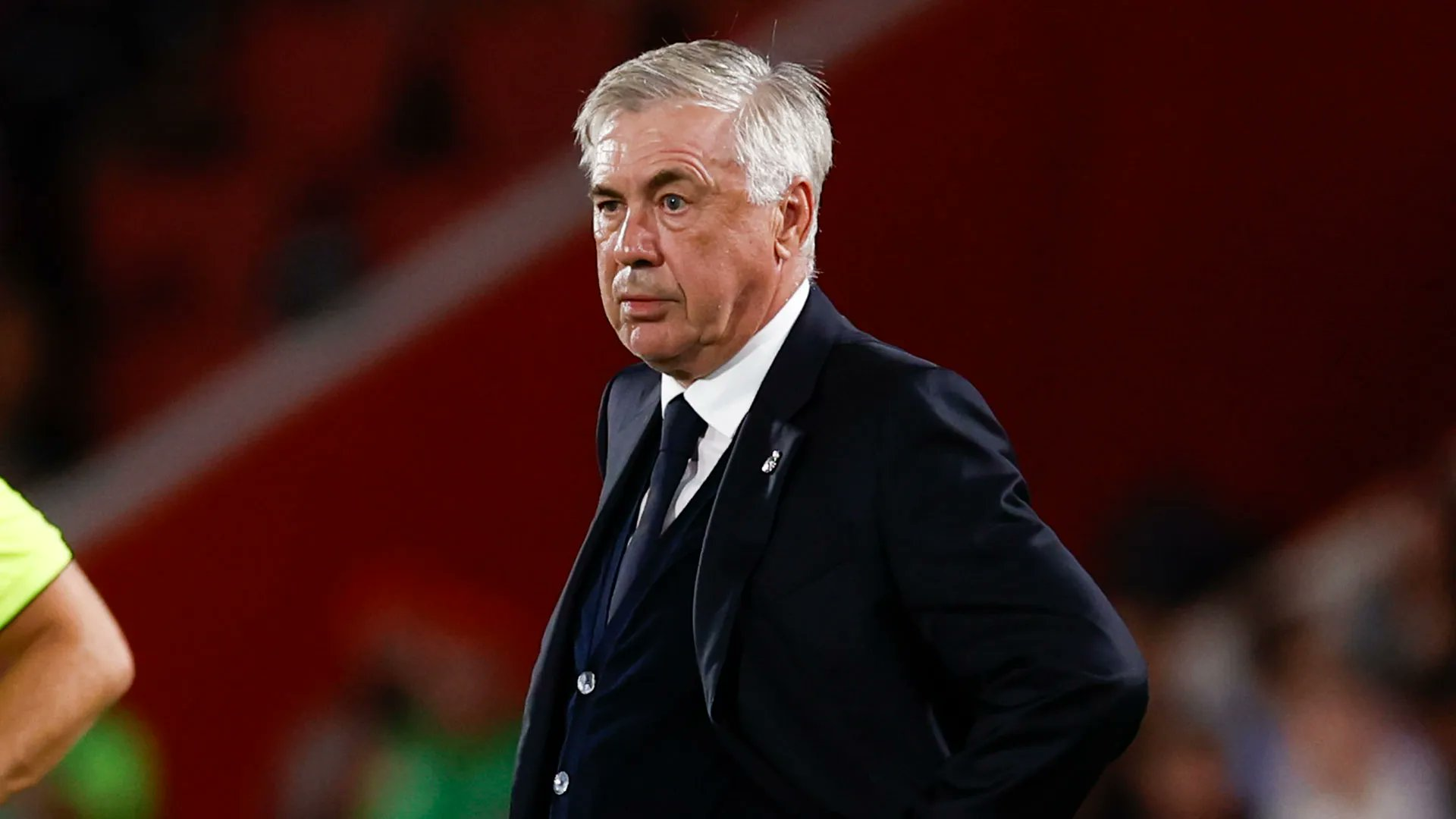
Brazil’s decision to appoint Carlo Ancelotti as national team coach has sparked one of the biggest identity debates in modern football, marking a dramatic break from decades of tradition in South American football leadership.
The move comes after a turbulent period for the Seleção, following a damaging run of results under previous manager Dorival Júnior, including a heavy 4–1 defeat to arch-rivals Argentina that intensified pressure from fans and media and accelerated calls for change.
Ancelotti’s appointment signals Brazil’s growing acceptance that its domestic coaching system may no longer be producing managers capable of competing at the highest international level. For a nation that has historically relied on homegrown tacticians to guide it to five World Cup triumphs, the shift represents a major philosophical turning point.
Over the past two decades, Brazilian football has experienced a noticeable decline in the global reputation of its coaches. While the country continues to produce world class players, managerial influence at elite European clubs has diminished significantly, especially compared to Argentine, Portuguese, and Spanish coaches who now dominate top leagues.
The rise of foreign managers in Brazil’s domestic league has also played a major role in reshaping expectations. Coaches from Portugal, Argentina, and other nations have increasingly succeeded in Brazilian club football, while local managers have struggled to maintain consistency under intense pressure and rapid turnover cycles.
This gradual shift laid the groundwork for the controversial decision to appoint Ancelotti, one of the most decorated managers in modern football, known for his success at clubs such as Real Madrid and AC Milan. His deep familiarity with Brazilian players has also strengthened his case, having worked closely with stars like Vinícius Júnior, Casemiro, and Kaká during their European careers.
Supporters of the decision argue that modern Brazilian players are now largely shaped in Europe, with most elite talents leaving South America at a young age. As a result, they argue that a European coach who understands that environment may be better suited to manage a squad that operates more like a European club team than a traditional national side.
Critics, however, believe the move represents a loss of identity, questioning why a footballing nation with such a rich coaching history now feels the need to outsource leadership to foreign managers. Former players and coaches have openly debated whether this signals progress or decline for Brazilian football culture.
Despite the controversy, Ancelotti’s arrival has also generated optimism. His reputation for man management, tactical flexibility, and success in high pressure environments is seen as a potential solution to Brazil’s long standing World Cup frustrations, which have stretched back more than two decades since their last title.
As the 2026 World Cup approaches, expectations will be immense. Brazil are not just betting on a coach, but on a new direction for their football identity. Whether this bold gamble ends in redemption or regret will define the next chapter of one of football’s most iconic nations.
Should we send you latest update about your favourite sports and team?
Enter you email in the box below and hit the subscribe button to join our teaming 876+ sports community.


