


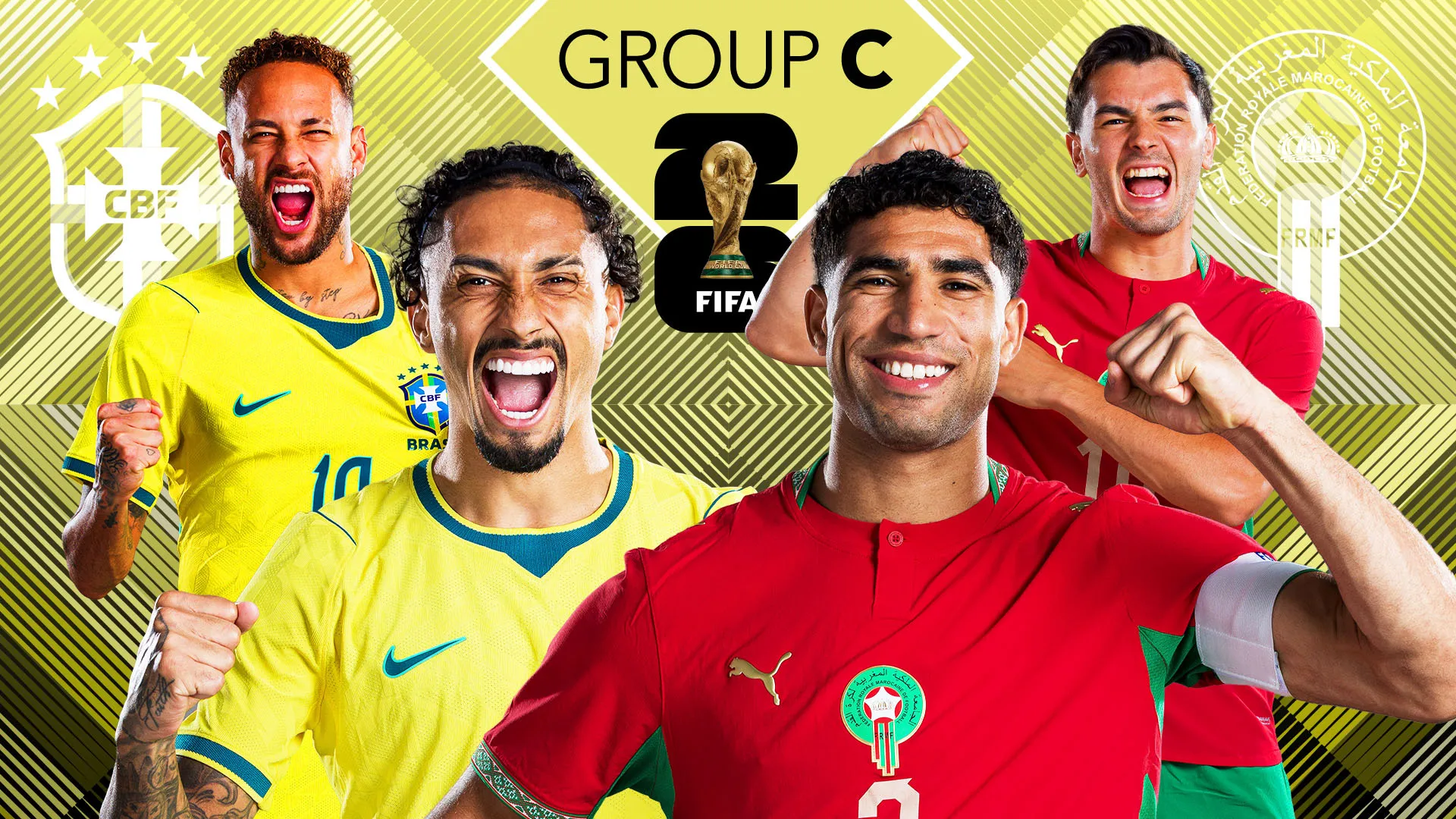
Few nations carry the weight of expectation quite like Brazil. Every World Cup arrives with the same question: can the Seleção reclaim football’s biggest prize? Twenty-four years have passed since their last triumph in 2002, equalling the longest drought in the nation’s storied World Cup history. Now, under the guidance of Carlo Ancelotti, Brazil begin another quest for a sixth world title when they face Morocco in a fascinating Group C showdown at New York New Jersey Stadium.
The occasion carries extra significance for Ancelotti. Widely regarded as one of the greatest club managers of all time, the Italian becomes the first foreign coach to lead Brazil at a FIFA World Cup. Having conquered Europe multiple times with clubs such as AC Milan and Real Madrid, he now faces perhaps the greatest challenge in international football: ending Brazil’s wait for World Cup glory.
Brazil arrive in North America knowing that expectations remain sky-high despite an underwhelming qualification campaign. Their fifth-place finish in South American qualifying was the worst in the modern format, raising concerns about whether this generation can live up to the standards set by those before them. Yet there are reasons for optimism.
The attacking talent at Ancelotti’s disposal remains among the best in the tournament. Vinícius Júnior enters the World Cup as one of football’s most feared forwards, while Raphinha arrives after another exceptional season with Barcelona. The winger was directly involved in seven goals during Brazil’s qualifying campaign and followed that with 21 goals and seven assists for the Spanish champions. After leaving Qatar 2022 frustrated as the player with the most shots on target without scoring, Raphinha appears determined to make a far greater impact this time around.
Brazil’s preparations have been encouraging if not entirely convincing. Comfortable victories over Panama and Egypt demonstrated the firepower available to Ancelotti, though defensive questions remain. Injuries have also complicated matters. Neymar continues his recovery from a calf problem and is not expected to feature in the opener, while right-back Wesley remains doubtful after suffering an injury against Egypt.
If Brazil are seeking a comfortable opening fixture, however, they are unlikely to find one against Morocco.
The Atlas Lions have spent the last four years transforming from underdogs into genuine contenders. Their remarkable run to the semi-finals in Qatar was initially viewed as a surprise, but everything since has suggested it was no fluke. Morocco qualified for the 2026 World Cup with a perfect record, winning all eight of their matches, and they arrive with arguably the strongest squad in African football.
Much of that confidence comes from the quality spread throughout the team. Achraf Hakimi remains one of the world’s premier attacking full-backs, Brahim Díaz has evolved into a creative force capable of deciding matches, while Ayoub El Kaabi continues to provide a reliable goal threat in the final third. Together, Díaz and El Kaabi accounted for eight of Morocco’s nine goals during their victorious AFCON campaign.
Another player attracting significant attention is PSV Eindhoven midfielder Ismael Saibari. After producing 19 goals and nine assists during a sensational club season, Saibari has emerged as one of Europe’s most sought-after midfielders. He carried that form into Morocco’s World Cup preparations, scoring twice in a comprehensive victory over Madagascar before helping his side secure a draw against Norway.
There are injury concerns for Walid Regragui’s side. Abde Ezzalzouli has already been ruled out of the tournament, while defender Nayef Aguerd also misses out. Noussair Mazraoui remains a doubt after sustaining a shoulder injury during the friendly against Norway, potentially weakening a defence that has been one of Morocco’s greatest strengths.
History favours Brazil, but only slightly. Their only previous World Cup meeting came during the 1998 tournament, when goals from Ronaldo and Rivaldo secured victory for the South Americans. Yet their most recent encounter tells a different story. In a friendly played in 2023, Morocco stunned Brazil with a 2-1 victory, underlining just how far the African nation has progressed.
That result will serve as a warning for Ancelotti and his players. Morocco are no longer a team content simply to compete with football’s elite. They believe they belong among them.
The Opta supercomputer still gives Brazil the edge, backing the five-time world champions to win nearly 58 percent of pre-match simulations. Morocco’s chances stand considerably lower, but the numbers also suggest this could be one of the most competitive opening fixtures of the tournament. Unsurprisingly so. It is the only group-stage match featuring two teams currently ranked inside FIFA’s top 10.
With Scotland and Haiti also occupying Group C, victory here could prove decisive in determining who finishes top. For Brazil, it represents the first step in a journey they hope ends with the trophy in their hands. For Morocco, it is another opportunity to prove that their remarkable rise is far from over.
One thing is certain: neither side can afford a slow start. When two of the tournament’s most ambitious teams collide on opening weekend, the margins between success and disappointment become razor-thin.
Should we send you latest update about your favourite sports and team?
Enter you email in the box below and hit the subscribe button to join our teaming 876+ sports community.


