


Four years ago, Morocco stunned the football world by becoming the first African nation to reach the FIFA World Cup semi-finals. Now, as the 2026 tournament approaches, the Atlas Lions are no longer outsiders chasing a dream – they are contenders carrying the weight of expectation.
Their remarkable run in Qatar transformed the perception of Moroccan football forever. Victories over some of the world’s biggest footballing nations, including Spain and Portugal, showcased a team built on discipline, resilience, and tactical intelligence. What began as a fairytale journey quickly evolved into one of the greatest stories in World Cup history.
But while many teams would have been satisfied with such a breakthrough, Morocco chose a different path.
Rather than relying solely on the formula that delivered success in 2022, the North African giants have spent the last four years rebuilding, evolving, and preparing for an even bigger challenge. The squad heading into the 2026 World Cup is younger, deeper, and arguably more talented than the one that captured global attention in Qatar.
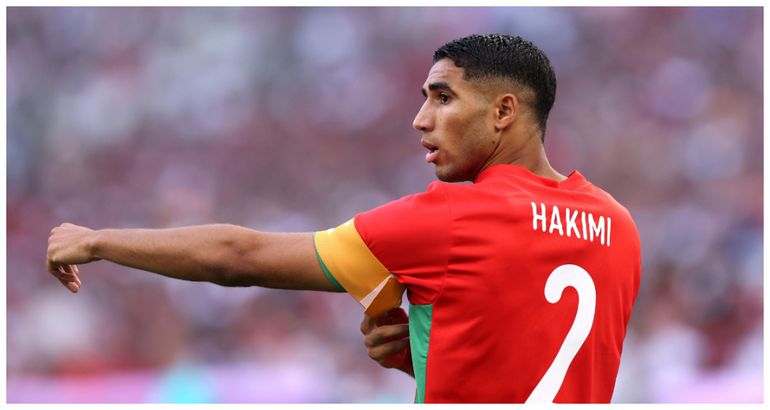
The foundations of the team remain intact. Goalkeeper Yassine Bounou continues to provide world-class leadership between the posts, while captain Achraf Hakimi remains one of the most dynamic full-backs in world football. Experienced figures such as Noussair Mazraoui, Sofyan Amrabat, and Youssef En-Nesyri still offer stability and leadership.
However, the real story lies in Morocco’s emerging generation.
Players such as Brahim Díaz, Neil El Aynaoui, and Abde Ezzalzouli have injected fresh creativity and attacking flair into the squad. Unlike the Morocco side that often sat deep and absorbed pressure in Qatar, this new version is increasingly comfortable dominating possession, pressing high up the pitch, and taking the game to opponents.
The transformation did not happen overnight.
Morocco’s football authorities invested heavily in youth development, scouting, and the integration of talented players from both domestic and international backgrounds. The results have been spectacular. Recent successes at youth level—including victories and podium finishes in major international tournaments—have created a pipeline of talent now feeding directly into the senior national team.
That progress led to a major change earlier this year when Mohamed Ouahbi was handed the reins of the national team. After guiding Morocco’s Under-20 side to World Cup glory, the highly rated coach was tasked with leading the next chapter of the country’s football revolution.
Ouahbi has maintained many of the defensive strengths that made Morocco successful in the past, but he has also encouraged a more adventurous style of football. Under his guidance, Morocco have become more aggressive in pressing opponents, winning possession higher up the pitch, and creating more scoring opportunities.
The evidence was clear during the 2025 Africa Cup of Nations campaign.
Morocco consistently dominated opponents in attacking metrics, recording some of the tournament’s highest figures for touches inside the opposition penalty area, shots attempted, and chances created. Their willingness to play on the front foot represented a significant shift from the conservative approach that characterized much of their 2022 World Cup success.
Yet despite becoming more attack-minded, they have not sacrificed defensive solidity. Morocco remained one of the toughest teams to break down, conceding fewer chances than almost any other nation during their recent international campaigns.
At the heart of this evolution is Brahim Díaz.
The Real Madrid star has emerged as one of the most dangerous attackers in international football. His ability to dribble past defenders, create opportunities, and score crucial goals has made him a nightmare for opposing teams. During Morocco’s AFCON campaign, Díaz repeatedly demonstrated why many believe he could become one of the breakout stars of the 2026 World Cup.
Alongside him, Hakimi continues to be the team’s engine.
Whether driving forward from defense, creating chances, or leading by example, the PSG star remains Morocco’s most influential figure. Unlike previous years when much of the team’s attacking play flowed through the right side, Morocco now possess dangerous options across the entire pitch, making them far less predictable and much harder to contain.
The midfield has also undergone a major transformation.
Neil El Aynaoui has rapidly established himself as one of the first names on the team sheet. Combining relentless work rate with exceptional passing ability, he provides the perfect balance between defensive protection and attacking support. His emergence has added another dimension to a squad already overflowing with talent.
Perhaps the biggest difference between Morocco in 2022 and Morocco in 2026 is mentality.
In Qatar, they arrived as underdogs with nothing to lose. This time, expectations are higher than ever. Opponents know exactly what they are capable of, and every match will bring increased pressure.
That pressure could become either their greatest challenge or their greatest motivation.
With a squad packed with youth, experience, technical quality, and tactical flexibility, Morocco possess all the ingredients required to make another deep run into the tournament. Their group-stage clashes against Brazil, Scotland, and Haiti will provide an early test of just how far this new-look team has progressed.
Many football experts believe the Atlas Lions have the talent to challenge for another semi-final appearance and perhaps even more. The question is no longer whether Morocco belong among football’s elite.
The question now is whether they can turn potential into history once again.
One thing is certain: no team will underestimate Morocco at the 2026 FIFA World Cup. The surprise package has evolved into a genuine powerhouse, and the rest of the world has been put on notice.
Should we send you latest update about your favourite sports and team?
Enter you email in the box below and hit the subscribe button to join our teaming 876+ sports community.


